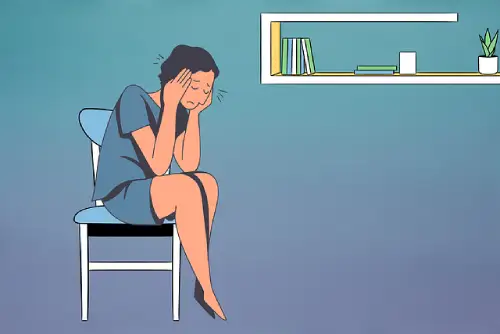
Have you ever wondered why your body makes a “pop” sound when you chew, or why your stomach feels like it’s doing backflips after a snack? It can be a little scary when our bodies hurt or act in ways we don’t understand. We often worry that something is wrong, but most of the time, our bodies are just trying to talk to us!
Think of your body like a super-smart robot or a very busy house. Sometimes a door squeaks, a light flickers, or a pipe rumbles. These aren’t always big “broken” problems; they are just signals. In this guide, we are going to look at the most common questions people—both kids and adults—ask about their bodies. We’ll look at the “Why,” the “How,” and most importantly, the “Feelings” behind it all.
Table of Contents
1. Why Does My Stomach Hurt After I Eat?
It is one of the most common complaints in the world. You sit down for a lovely meal, but thirty minutes later, you’re looking for a place to lie down.
The Science of Swallowing Air
For many of us, especially children, we eat too fast. When we gulp down food, we also swallow air (aerophagia). This trapped air turns into gas, causing that tight, “balloon-like” pressure in the upper stomach. You can learn more about how your body works in our Science for Kids section.
The Emotional Connection
Did you know your gut is often called your “second brain”? It is lined with millions of nerve cells. If you are stressed, angry, or anxious while eating, your body enters “fight or flight” mode. This pulls blood away from your digestive system and toward your muscles. The result? The food sits in your stomach like a heavy brick, leading to cramping and indigestion.
For the Kids
Imagine your stomach is a little balloon. If you try to stuff too many toys into a balloon too fast, it gets tight and uncomfortable. When you eat your favorite nuggets or pasta very quickly, you also swallow “invisible air.” That air gets trapped, making your tummy feel like a drum!
For the Adults
As we get older, our digestive systems get a bit more sensitive. Post-meal pain (often called dyspepsia) usually comes down to three things:
- Speed: Eating on the go or while stressed.
- Type: Your body might be struggling to break down things like dairy (lactose) or heavy oils.
- Reflux: This is when the acid in your stomach tries to climb back up into your throat, causing a burning feeling.
The Human Side
We often eat when we are worried. If you are rushing to a meeting or doing homework while eating, your “fight or flight” system turns on. This tells your stomach to stop working and wait until the stress is over. This is why “anxious eating” leads to “painful tummies.”
2. Why Do My Eyes Hurt?
In our modern age, we are the first generation to spend the majority of our waking hours staring at glowing rectangles. Whether it’s a smartphone, a laptop, or a gaming console, our eyes are under constant siege.
The “Blink” Problem
Normally, humans blink about 15 to 20 times per minute. This spreads a fresh layer of tears over the eye to keep it moist and clean. However, when we focus on a screen, our blink rate drops by nearly 60%. This leads to dry, gritty, and burning eyes that really hurt.
Muscle Fatigue
Inside your eye are tiny muscles that help you focus. Imagine holding a heavy weight out at arm’s length for eight hours. Your arm would scream in pain! That is exactly what your eye muscles do when you stare at a close-up screen all day. They get exhausted, leading to a dull ache behind the brow or temples.
For the Kids
Have you ever played a game on a tablet for a long time and noticed your eyes feel “heavy” or itchy? It’s because your eyes are muscles, just like your legs! If you ran for two hours without stopping, your legs would be tired. When you stare at a screen, your eye muscles are “running” very hard to stay focused.
For the Adults
This is called Digital Eye Strain. When we stare at screens, we actually forget to blink. Normally, we blink about 15 times a minute to keep our eyes wet. On a computer, we only blink about 5 times! This makes the surface of the eye dry and painful.
The Human Side
Our eyes are our windows to the world. When they hurt, we feel grumpy and tired. It’s a signal from your brain saying, “I need to look at a tree, a bird, or the sky for a while!”
3. Why Does My Jaw Hurt or Pop?
If you feel a sharp pain near your ear or hear a “click” when you chew gum, you are likely experiencing TMJ (Temporomandibular Joint) Disorder.
Understanding the Tension
Most people don’t realize they are clenching their jaw until it starts to hurt. We do it when we are frustrated, when we are concentrating hard, or when we are asleep.
Bruxism
This is the medical term for grinding your teeth at night. It puts massive pressure on the jaw joint and can even lead to morning headaches.
Why the “Pop”?
The jaw joint has a small disc of cartilage that acts as a cushion. If your muscles are too tight, they can pull that disc out of place. When you open your mouth wide, the disc “pops” back into position. While usually harmless, it’s a major sign that your stress levels are too high.
For the Kids
Does your jaw make a “click-click” sound when you eat a big apple or chew gum? That is a tiny little cushion in your jaw joint moving out of place and then popping back in. It’s like a shoe that’s a little bit loose—it makes a sound when you walk!
For the Adults
This is usually TMJ (Temporomandibular Joint) Syndrome. Most adults clench their teeth when they are stressed. You might even do it while you sleep! This makes the muscles around your jaw very tired and tight.
The Human Side
A tight jaw is often a sign of “holding it all in.” When we don’t say what’s on our minds or when we are carrying a lot of responsibility, we clench our teeth. Relaxing your jaw is a great way to tell your brain, “It’s okay to let go.”
4. Why Does My Back Hurt When I Breathe?
You have muscles between every single rib called intercostal muscles. They expand and contract every time you breathe.
Strains and Pains
If you twisted awkwardly, lifted something heavy, or even coughed too hard, you can strain these muscles. Because you must breathe, the muscle never gets a full rest, which is why the pain can linger for a week or two.
For the Kids
This can feel like a little “ouch” or a “sting” in your back when you take a big, deep breath. Usually, it’s just a tiny muscle between your ribs that got a little bit pulled while you were playing, running, or even coughing.
For the Adults
This is often a strained intercostal muscle. Since these muscles move every time you breathe, they don’t get much rest. Another reason: Sometimes it’s a “pinched nerve” or a stiff joint in your spine. Because your ribs are attached to your spine, when the ribs move during a breath, they pull on that stiff spot.
The Human Side
It can be scary when breathing hurts. It makes us take shallow breaths, which can make us feel more anxious. Remember to sit up tall and try gentle, slow breaths to help the muscle relax.
5. Why Are My Feet Peeling and Why Did My Nail Fall Off?
It can be shocking to see a toenail hurt and fall off without any blood or pain. This usually happens because of “Micro-trauma.”
The Mystery of the Missing Nail
If you wore shoes that were slightly too small during a hike or a soccer game, the nail bed was bruised. A new nail began growing underneath immediately, slowly pushing the old, dead nail off. By the time it hurts and falls off, the new “baby” nail is already there so your toe doesn’t hurt.
For the Kids
Seeing skin peel off your feet is like being a little bit like a snake shedding its skin! It usually happens because your feet got too sweaty in your sneakers, or you walked barefoot in a wet place like a swimming pool.
For the Adults
- Peeling: This is often Athlete’s Foot (a fungus) or simply very dry skin.
- The Nail: If a toenail falls off without pain, it means the “injury” happened a long time ago. Your body already started growing a new nail underneath to push the old one out!
The Human Side
Our feet are the foundation of our lives. They carry us everywhere. When they peel or hurt, it’s a reminder to give them some fresh air, clean socks, and a bit of lotion.
6. Why Does the Roof of My Mouth or Tongue Hurt?
For the Kids
Did you eat hot pizza too fast? That’s the most common reason the roof of your mouth hurts! Or maybe you have a tiny “canker sore” on your tongue. These are just little “boo-boos” from eating something sharp or biting your tongue by mistake.
For the Adults
- Canker Sores: These can show up when you are run down, tired, or not eating enough vitamins.
- Gum Pain: If it’s in one spot, you might have a tiny bit of food trapped there, or you might be brushing too hard!
The Human Side
Mouth pain makes eating and talking—two of our favorite things—very difficult. It’s a sign to eat some soft, cool foods and maybe take a multivitamin.

7. Health Tips: How to Make Your Body Happy
Understanding the pain is step one. Step two is taking action to prevent it! Here are some “Body-Friendly” habits for both kids and adults:
For the Stomach
- The 20-Chew Rule: Try to chew every bite of food 20 times. This breaks down the food properly and prevents you from swallowing air.
- Walk it Off: A 10-minute gentle walk after dinner helps gravity move food through your system.
- No Screens at Dinner: Focus on your food so your brain knows you are eating!
For the Eyes
- The 20-20-20 Rule: Every 20 minutes, look at something 20 feet away for 20 seconds. This is like a “nap” for your eye muscles.
- Adjust Your Brightness: Your screen should never be brighter than the light in the room. If you are in a dark room, turn the “Blue Light Filter” on.
- The Water Trick: Drink plenty of water. If your body is hydrated, your eyes won’t be as dry.
For the Jaw and Mouth
- The “Tongue Rest”: To relax your jaw, place the tip of your tongue on the roof of your mouth, just behind your front teeth. This naturally keeps your teeth from clenching.
- Warmth: A warm cloth on your jaw before bed can help the muscles melt and relax.
- Saltwater Rinse: If you have a sore in your mouth, rinse with warm salt water. It kills bacteria and helps the skin heal faster.
For the Feet
- Let Them Breathe: Take your shoes and socks off as soon as you get home. Let your feet dry out completely.
- Moisturize: Use a thick cream on your heels at night to prevent painful cracking.
For the Back
- Cat-Cow Stretch: Spend 2 minutes doing gentle yoga stretches for your spine every morning. This keeps the intercostal muscles flexible.
- Stay Hydrated: Your spinal discs are mostly water! If you are dehydrated, your back is more likely to feel stiff and achy.
Conclusion: You and Your Body
Your body is the only one you get, and it is doing its very best to take care of you. Whether you are 7 years old or 70 years old, learning the “language” of why you hurt is the first step to staying healthy.
Most of these mysteries—the popping jaw hurts, the peeling feet hurts, the tummy aches—are just your body’s way of saying: “Hey! Drink some water, take a breath, and slow down a little bit.” Listen to your body, be kind to it, and it will keep you moving, playing, and learning for a long time!
A Message to Our Readers
Your body is your lifelong home. It isn’t perfect, and it will occasionally give you some trouble. However, by listening to these small signals and responding with kindness—through better food, more rest, and less stress—you can turn those “aches” into “answers.”
To learn more visit, What is a Riser Desk? Healthy Study Setup For Kids (2026)
Strokes Swimming Lessons: 7 Easy Ways to Master the Water
10 Best Incredible Measurements Worksheet Answers
How Long Does a Root Canal Take? 5 Steps to Quick Relief
When Do Cats Stop Growing? 5 Helpful Tips for Healthy Growth
Disclaimer
This article provides general information and is not a substitute for professional medical advice. Always consult a doctor if pain is severe, persistent, or accompanied by a fever.