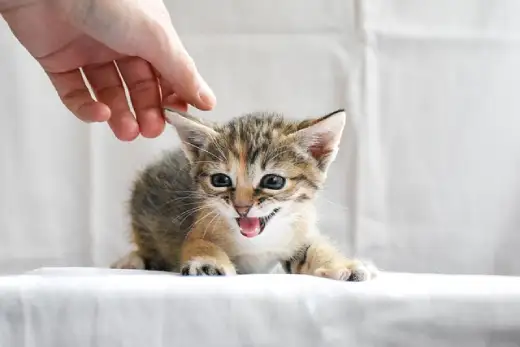
Watching a kitten grow is one of the most magical experiences a pet owner can have. One day they are stumbling over their own paws, and the next, they are gracefully leaping onto the highest shelf in the kitchen.
But growth isn’t just about size; it’s about development, health, and those quirky milestones that make cats so special. In this guide, we’ll explore everything from those first blinks to the mystery of the feline.
Table of Contents
When Do Cats Stop Growing? The Road to Adulthood
The short answer is that most cats are considered “fully grown” by the time they reach 12 months of age. However, much like humans, every cat is an individual.
The Skeletal vs. Physical Growth
By their first birthday, most cats have reached their full skeletal height and length. But if you look at a one-year-old cat, they might still look a bit lanky or thin. This is because many cats continue developing muscle and a bit of adult weight until they are 18 months to 2 years old.
Does Breed Make a Difference?
Absolutely! While your standard moggy (domestic shorthair) follows the one-year rule, some breeds are late bloomers:
- Maine Coons: These gentle giants can keep growing until they are 3 to 5 years old!
- Persians and Ragdolls: These breeds often take up to 4 years to reach their full majestic size.
Fun Fact: A kitten grows more in its first six months than it will for the rest of its life. It is like a human baby turning into a teenager in just half a year.
When Do Kittens Open Their Eyes? The First Glimpse of Love
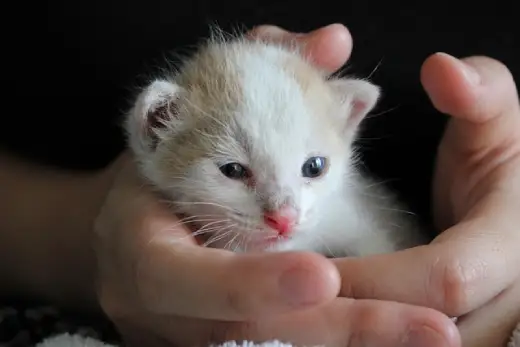
There is nothing more heart-melting than waiting for a newborn kitten to finally look at you. Kittens are born with their eyes tightly shut to protect them from light and infection while they are still developing.
The Timeline
Most kittens begin to open their eyes between 7 and 10 days after birth. By day 14, most will have both eyes fully open.
The Blue Eye Phase
Believe it or not, every kitten is actually born with blue eyes. Around the 6 to 8-week mark, their true eye color begins to emerge. Whether they end up with emerald green, golden amber, or icy blue eyes is all down to genetics.
Important Note: Never, ever try to peel a kitten’s eyes open. Their eyelids are fused shut for a reason. If you notice crust or swelling, take the kitten to a vet; it might be an infection.
How Many Teeth Do Cats Have? (And Why They Are So Sharp!)
If you have ever been the victim of a “love nip” during playtime, you know those teeth are no joke. Kittens, like humans, go through two sets of teeth.
The Kitten Set (Deciduous Teeth)
Kittens have 26 baby teeth. These start poking through the gums around 3 weeks of age. Around 3 to 4 months old, these teeth start falling out (you might find a tiny tooth on the carpet!) to make room for the big ones.
The Adult Set
An adult cat has 30 permanent teeth. These are precision tools:
- 12 Incisors: Those tiny teeth at the very front used for grooming.
- 4 Canines: The long “fangs” used for hunting and holding.
- 14 Premolars and Molars: Used for shearing food.
Fun Fact: Cats do not have flat molars like we do because they do not chew plants; they are “obligate carnivores,” meaning their teeth are built purely for meat.
why is my cat sneezing
“Bless you!” You might find yourself saying this to your cat more often than you’d think. While a cat sneezing is often cute, it can sometimes be a sign that your kitty is feeling under the weather.
Cat Sneezing
There are several reasons why your cat might be having a fit of sneezes:
- Dust and Irritants: Just like us, a dusty corner or a strong perfume can trigger a sneeze.
- Upper Respiratory Infections (URI): Often called the “cat cold,” this is very common in kittens. It is usually viral and needs some extra TLC.
- Allergies: Some cats are sensitive to pollen, certain types of cat litter, or even household cleaners.
- Dental Issues: Believe it or not, an infected tooth root can cause inflammation in the nasal passages, leading to sneezing.
When to Worry About Cat Sneezing
If your cat sneezes once in a while, don’t panic. However, keep an eye out for:
- Discharge: Is it clear, or is it thick and yellow/green?
- Watery Eyes: This often goes hand-in-hand with a cold.
- Lethargy: If your cat stops playing or eating, it’s time for a vet visit.
Important Points for Every Cat Parent
Owning a cat is a responsibility that comes with a lot of joy. To ensure your cat grows up healthy, keep these tips in mind:
- Proper Nutrition: Kittens need “Kitten Food” because it is packed with extra calories and protein for their fast growth. Don’t switch to adult food until they are at least one year old.
- Hydration is Key: Cats aren’t great at drinking water. Try a pet fountain; cats love running water, and it keeps their kidneys healthy.
- Dental Care: You can actually brush your cat’s teeth! Starting young helps them get used to it and prevents expensive vet bills later.
- Socialization: The first 12 weeks are crucial. Handle your kittens gently, play with them, and introduce them to different sounds so they grow up to be brave, confident cats.
Fun Facts About Growing Cats
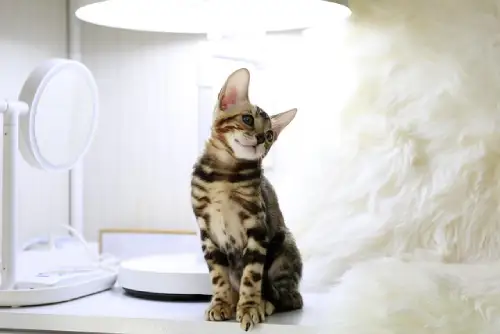
- Vibrissae (Whiskers): A cat’s whiskers are roughly the width of its body. As they grow wider, their whiskers grow longer to help them judge if they can fit through a gap!
- Sleepy Heads: A growing kitten can sleep up to 20 hours a day. Growth hormones are mostly released during sleep, so let those kittens nap!
- Kneading (Making Biscuits): When your adult cat “kneads” your lap, they are mimicking a behavior from when they were tiny kittens nursing from their mother. It’s a sign of ultimate comfort and love.
- The Purr Factor: A mother cat’s purr acts as a vibrating homing beacon for blind and deaf newborn kittens to find her.
How Old is My Cat in Human Years? The Secret Age of Your Feline Friend
One of the most fun things about being a cat owner is trying to figure out if your cat is “older” than you are! Since we know that cats grow much faster than people, we can’t just count one year for one year.
The “Magic” Age Formula
Many people think that one cat year equals seven human years, but that is actually a myth! Cats mature very quickly in their first two years of life. Think of it like this:
- The First Year: When your kitten turns 1 year old, they are actually like a 15-year-old teenager.
- The Second Year: By the time a cat is 2 years old, they have reached young adulthood—roughly 24 years old in human years.
- After Age Two: Once they hit their second birthday, things slow down. For every year after that, you just add 4 years.
A Simple Age Chart for You:
| Cat Age | Human Age Equivalent | Life Stage |
| 6 Months | 10 Years | School Age / Pre-teen |
| 1 Year | 15 Years | High Schooler |
| 2 Years | 24 Years | Young Adult |
| 5 Years | 36 Years | Prime Adult |
| 10 Years | 56 Years | Middle-Aged |
| 15 Years | 76 Years | Senior / Grandpa |
How Can You Tell Their Age Without a Birth Certificate?
If you adopted a cat and don’t know their birthday, you can look for these “human-like” signs:
- The Teeth: Younger cats have very white teeth. Older cats might have some yellowing (tartar).
- The Fur: Just like humans get grey hair, older cats might get white patches around their muzzle, and their fur might feel a bit more coarse.
- The Eyes: Younger cats have bright, clear eyes. Senior cats sometimes have a slightly cloudy look to their eyes.
- Energy Levels: If your cat sleeps all day and doesn’t want to chase the laser pointer anymore, they are likely in their “retirement” years.
Fun Fact for Kids: The oldest cat ever recorded was named Creme Puff, who lived to be 38 years old. In human years, that would be over 160 years old!
Conclusion
From the moment they open their eyes to the day they stop growing and become the “boss” of your household, every stage of a cat’s life is special. They bring a quiet comfort to our homes, a bit of chaos to our curtains, and a whole lot of love to our hearts.
Understanding their growth, their dental health, and even their sneezes makes you a better “human” to your feline friend. So, whether your cat is a tiny 2-month-old ball of energy or a 5-year-old Maine Coon still gaining muscle, enjoy every purr and every head-butt.
To Learn More About Animals Visit Our website