
In the dental world, dentists call them third molars, but most of us know them as wisdom teeth. They earned that nickname because they typically show up between the ages of 17 and 25 when you’re transitioning into adulthood and, theoretically, becoming a bit wiser.
For some lucky people, these teeth emerge without a peep. For others, the process comes with a fair share of pressure, discomfort, or even flat-out pain. While the “late teens to mid-twenties” timeline is the standard, it’s not a hard rule. Some “early bloomers” see them at 15, while others don’t feel a thing until their 30s.
A dentist will usually use a panoramic X-ray to check if they are impacted, which is just a fancy way of saying they’re stuck under the bone or gums and can’t break through.
Fun Fact: Our ancestors actually had much larger jaws, allowing their wisdom teeth to erupt easily hundreds of thousands of years ago.
First Signs Of Wisdom Teeth Coming In
It usually starts as a dull, heavy pressure. You might feel it in your jawbone or even radiating up toward your ear or temple. It isn’t always a sharp pain; sometimes it just feels like your jaw is crowded.
Red or Tender Gums: Take a peek in the mirror. If the gum tissue behind your last molars looks puffy, red, or feels sore when you brush, it’s a classic sign. Your gums are basically reacting to a tooth trying to punch through the surface.
Accidental Cheek Biting: This is one of those annoying signs people often miss. As wisdom teeth move, they can shift the alignment of your other teeth or cause the gum tissue to swell, leading you to accidentally bite the inside of your cheek while chewing.
The Heavy Jaw Feeling: You might wake up feeling like your jaw is stiff or slightly harder to open than usual. This “tightness” happens because the teeth are putting pressure on the surrounding nerves and muscles.
A Strange Taste or Breath: Sometimes, a tiny flap of gum opens up over the emerging tooth. Because it’s so far back, it’s hard to clean, and food can get trapped there. If you notice a random bad taste or breath that won’t go away with brushing, a wisdom tooth might be the culprit.
Does Everyone Have Wisdom Teeth?
Surprisingly, no. If you don’t have them, don’t worry, it is completely normal. You might end up with all four, just one or two, or none at all.
A lot of this comes down to your family tree. If your parents never had them, there’s a good chance you won’t either. Statistics show that 5% to 37% of people are missing at least one wisdom tooth (a condition called hypodontia). On the other side, some people are overachievers and grow a fifth or even a sixth molar.
Scientists believe our bodies are changing. A small genetic shift has made our jaw muscles smaller over time, which is likely why so many modern humans simply don’t have the space for these teeth, or why they fail to form altogether.
Why Do We Have Wisdom Teeth?
Our ancestors had a much tougher menu than we do. They spent their days grinding down raw meats, fibrous roots, nuts, and leaves, tasks that required serious jaw strength and extra molars.
Once humans discovered fire and started cooking, our food got softer. Over thousands of years, as our brains grew larger and took up more room in the skull, our jaws became narrower and more refined. Today, since we eat cooked, soft foods, these extra molars are mostly unnecessary and often cause more trouble than they’re worth.
Wisdom Teeth Pain
When a wisdom tooth starts moving, it’s hard to ignore. It’s rarely a simple ache; it usually feels like a deep, radiating pressure that can be pretty miserable.
Common symptoms include:
- Jaw Throbbing: A dull ache that might travel to your ear, temple, or neck.
- Swollen Gums: The back of your mouth might get red and tender, making it painful just to close your jaw.
- Stiffness: You might struggle to open your mouth fully (known as trismus).
Temporary Relief
If you can’t get to a dentist immediately, try a warm salt water rinse. It acts as a natural disinfectant and can reduce swelling. Clove oil is another old-school remedy, it contains eugenol, a natural numbing agent. Just remember, these are just “band-aids,” not a permanent fix for an impacted tooth.
How Long Does Wisdom Teeth Removal Take?
If your dentist says they need to come out, try not to panic. It’s one of the most common procedures out there.
- Simple cases: 20–40 minutes.
- Complex cases: Up to 1 hour.
You’ll either have local anesthesia (you’re awake but feel no pain) or sedation (where you’ll feel very relaxed or sleepy). Most patients find that the anticipation was actually the scariest part of the whole process.
If you’re getting all four pulled at once under sedation, expect to be in the operating room for about 45 to 60 minutes. Including prep and wake-up time, you’ll probably spend about two to three hours at the clinic.
How Long Does a Filling Take?
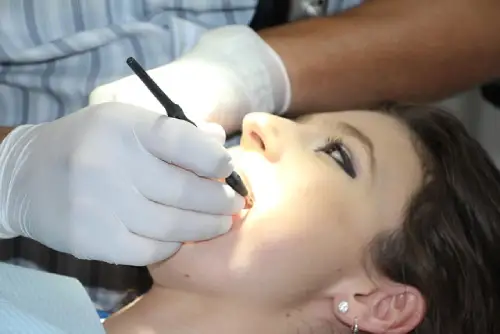
Sometimes, that pain in the back isn’t a wisdom tooth at all, it could just be a cavity on a neighboring molar. Compared to surgery, a filling is a walk in the park, usually taking 20 to 60 minutes.
- The Prep (5-10 mins): Numbing the area.
- The Cleaning (10-15 mins): Removing the decay.
- The Filling (10-20 mins): Layering the resin and hardening it with a blue “curing” light.
How Long Does it Take to Recover?
Healing isn’t a race, and everyone’s body reacts differently. Here is the general roadmap:
- Day 1: This is the most important day for blood clots to form. You’ll likely want to rest with your head propped up on extra pillows to keep the throbbing down.
- Days 2–3: This is usually when swelling peaks. You might look a bit like a chipmunk, but ice packs (20 minutes on, 20 minutes off) will help.
- Day 7: For most, the worst of the pain and swelling is over.
- Weeks 2–4: You’ll be back to your routine, but the sockets are still healing deep down. It can take a full month for the tissue to close and even longer for the bone to fill back in.
Dry Socket Wisdom Teeth
The one thing people fear most is the dry socket (alveolar osteitis). After an extraction, a blood clot forms in the hole to protect the nerves, think of it as a natural scab. If that clot gets knocked out or dissolves too early, the bone is exposed.
How do you know? You’ll feel a sharp, radiating pain about 3 to 5 days after surgery.
The Golden Rule: No suction! No straws, no smoking, and no aggressive spitting for at least a week. Avoid carbonated drinks too, as the bubbles can sometimes break down that vital clot.
How Long After Removal Can I Eat?
You can eat as soon as you’re hungry, but there is one major catch: Wait until the numbness wears off. If you try to eat while your mouth is still frozen, you might accidentally bite your tongue or cheek quite hard without realizing it. Most people are ready for a soft meal about 3 to 5 hours after the procedure.
Foods to Eat After Wisdom Teeth Removal
The Wisdom Tooth Diet is all about being gentle.
The Best Choices:
- Greek yogurt, pudding, mashed potatoes (with gravy!), lukewarm blended soups, and scrambled eggs.
- Smoothie Tip: They are great for nutrients, but drink them from a cup, no straws!
What to Avoid:
- Popcorn & Seeds: These are “heat-seeking missiles” for your sockets and can cause infections.
- Spicy Food: It will sting an open wound.
- Crunchy Items: Chips or crusty bread can scrape the sensitive surgical site.
Wisdom Teeth Facts
- Stem Cell Banking: Wisdom teeth are full of mesenchymal stem cells. Some people actually pay to store their extracted teeth in case they need those cells for medical treatments in the future.
- The “Extra” Club: While 4 is the norm, some people grow 6, 8, or more!
- Truth Serum: Those viral videos of people saying wild things after surgery are real. Sedation lowers your “filter,” leading to some very honest (and hilarious) conversations.
Did You Know?
- Ancestral Tools: Our ancestors had much larger jaws because their diet consisted of raw meat, tough roots, and nuts. Wisdom teeth were essential “grinders” for survival before we discovered fire and cooking.
- Evolution in Action: As human brains grew larger over thousands of years, our jaws actually became narrower and more refined. This is why most of us no longer have “room at the inn” for these extra molars.
- The Genetic Lottery: Not everyone gets four! Some people are born with zero (lucky them!), while others are “overachievers” who grow five, six, or even eight wisdom teeth.
- Biological Time Capsules: Wisdom teeth are packed with mesenchymal stem cells. Some people actually “bank” their extracted teeth in specialized labs for potential future medical treatments.
The “Human” Side of the Experience
- The Chipmunk Phase: Swelling usually peaks around day two or three. It’s a perfectly normal (though slightly embarrassing) part of the body’s inflammatory response.
- Truth Serum Moments: The sedation used during removal often lowers your “filter,” leading to those hilariously honest, viral-worthy conversations with dental staff.
- The Soft Food Obsession: You will never appreciate the creamy texture of lukewarm mashed potatoes or chocolate pudding more than you do during the first 48 hours of recovery.
Relief & Pain Management Points
- The Salt Water Trick: A simple, warm salt water rinse is a natural disinfectant. It’s one of the most effective ways to soothe angry gum tissue and reduce swelling.
- Clove Oil Magic: If the throbbing is keeping you up, a tiny drop of clove oil contains eugenol, a natural numbing agent that provides instant (though temporary) relief.
- The Pillow Prop: Sleeping with your head elevated on two or three pillows helps minimize blood flow to the jaw, which significantly reduces that annoying “pounding” sensation at night.
- The “No Suction” Rule: To avoid the dreaded dry socket, stay away from straws, smoking, or aggressive spitting for at least a week. Let that biological “scab” heal in peace!
- Cold vs. Heat: Use ice packs for the first 24 hours to keep swelling down, then switch to gentle warmth to soothe jaw stiffness and muscle aches.
Wrapping Up
Dealing with wisdom teeth can feel like a huge ordeal, but remember: millions of people go through this every year. It’s just one of those strange, standard milestones of growing up. Take it easy, eat your mashed potatoes, and you’ll be back to normal before you know it.
Suggested For You
Healthy Life Style : Why It Hurts & 5 Keys to Fix It