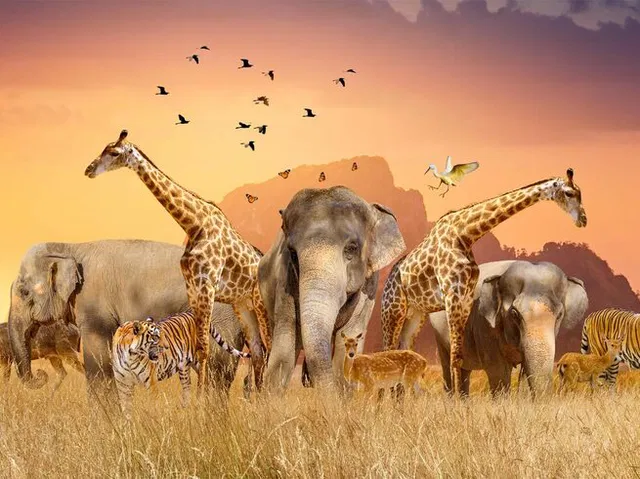
Welcome to the Amazing World of Animals For Kids
Have you ever looked at a tiny ant carrying a crumb or watched a bird build a nest? Animals for kids are a wonderful subject to explore because creatures are every where and are living things, just like us. To stay alive, animals need four main things: food, water, air, and a safe place to sleep.
At kids learn zone, we will explore everything from the deepest oceans to the highest trees. This is perfect for students in Class 1 and Class 2 who want to become “Nature Experts!
Animals For Kids
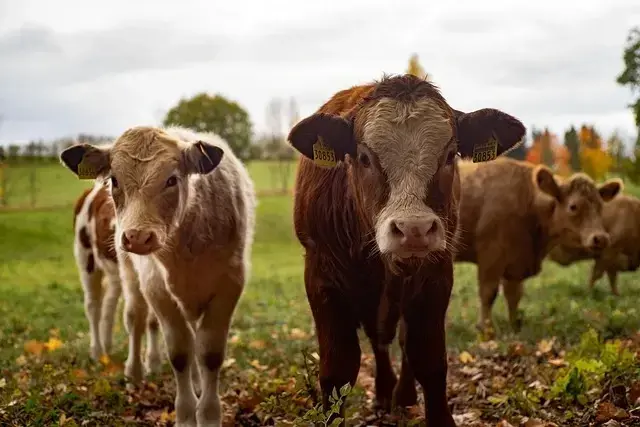
Table of Contents
What are animals For Class 1(simple guide for class 1)
Animals are living things:
- They Eat : Because they need energy to play and grow.
- They Grow: Animals grow over time. For example a tiny kitten becomes a big cat.
- They Move: They run, hop, swim, or fly.
- They Have Babies: They give birth or lay eggs. This is called reproduction.
- They Breathe: Animals breathe in different ways. Mammals use lungs, and fish use gills.
How Animals Move
Some animals have body parts similar to humans, but others are very different. Some animals have legs to move, while others do not. Movement helps them find food and stay safe from danger. When we look at animals for kids, we see that every group has its own special way of getting around. They move in different ways:
Mammals: (Cow, goat, sheep, horse, cat, dog, lion, elephant, monkey): They Use their legs to walk and run.
Birds: Birds have wings to fly and they use their legs to hop or walk.
Fish: Fish can swim in the water using their fins and tails.
Reptiles: Reptiles like snakes and lizards move differently. Snakes slither on the ground, while lizards crawl using their short legs.
Amphibians: Amphibians like frogs can move on both land and water. They can crawl or use their strong back legs to jump and hop.
Animal Babies and Their Names For Class 1
| Parent Animal | Baby Name |
| Cow | Calf |
| Dog | Puppy |
| Cat | Kitten |
| Lion / Tiger | Cub |
| Hen | Chick |
| Duck | Duckling |
| Horse | Foal |
| Sheep | Lamb |
| Goat | Kid |
| Frog | Tadpole |
| Butterfly | Caterpillar |
Learning the names of babies is a great way to improve vocabulary for kids. At Kids Learn Zone, we have put together this simple list to help students in Class 1 and 2 memorize these fun names.
Activity: Match the Animal with Its Baby For Class 1
| Column A (Animal) | Column B (Baby Name) |
| Cow | Kitten |
| Dog | Tadpole |
| Cat | Pup |
| Lion | Caterpillar |
| Hen | Duckling |
| Frog | Cub |
| Butterfly | Chick |
| seal | Puppy |
| Duck | Calf |
Animals For 2 to 3 Years Old
At this age, children love to mimic sounds and movements. Here are some easy animals for kids to learn:
- The Cow: Says Moo! Moo!
- The Duck: Says Quack! Quack!
- The Dog: Says Woof! Woof!
- The Cat: Says Meow! Meow!
- The Lion: Says “Roar!”
- The Monkey: Says “Chatter! Chatter!
- The Elephant: Says Trumpet, Trumpet and Has a long trunk!
- The Mouse: Says Squeak, Squeak
- The Fly: Says Buzz, Buzz
- The Horse: Says Neigh, Neigh
- The Pig: Says Oink, Oink
- The Sheep: Says Baa, Baa
- The Hen: Says Cluck, Cluck
- The Duck: Says Quack, Quack
- The Sparrow: Says Chirp, Chirp
Two Main Types of Animals: Vertebrates and Invertebrates
1. Vertebrates (Animals with a Backbone)
If you feel your back, you feel a hard bone. That is a backbone! Animals with this are called Vertebrates. They are usually big animals like cows, dogs, horses, and humans.
2. Invertebrates (Animals without a Backbone)
Some animals are soft or have a shell on the outside, but no bones inside. These are Invertebrates. They are often small in size.
- Examples: Ants, spiders, butterflies, and worms.
The 5 Fantastic Families of Vertebrates
When we study animals for kids, we learn that those with backbones are called vertebrates. We divide animals with backbones into five special groups.
Classification of animals for kids.
1. Mammals (Our Closest Friends)
Mammals are warm-blooded. This means their bodies stay warm even in the snow!
- Body: They have hair or fur.
- Babies: They give birth to live babies and feed them milk.
- Examples: Cow, Dog, Lion, Elephant, and Humans.
- Fun Fact: The Blue Whale is a mammal that lives in water!
2. Birds (The Sky Travelers)
Birds are the only animals that have feathers.
- Body: They have two wings and a beak.
- Babies: They lay eggs in nests.
- Examples: Parrot, Sparrow, Eagle, and Pigeon.
3. Fish (The Water Wonders)
Fish spend their whole life underwater.
- Body: They have scales and fins.
- Breathing: They use gills to breathe underwater.
- Examples: Gold fish, Shark, and Seahorse.
4. Reptiles (The Scaly Sun-Bathers)
Reptiles have dry, scaly skin. They love to sit on rocks in the sun.
- Body: They are cold-blooded.
- Babies: They lay eggs with leathery shells.
- Examples: Snake, Turtle, Lizard, and Crocodile.
5. Amphibians (The Double-Life Dwellers)
Amphibians are cool because they live in water and on land.
- Body: They have moist, slippery skin.
- Babies: They start as eggs in the water.
- Example: The Frog.
These five families are the most popular animals for kids to study in school.”
Understanding Wild Animals and Pet Animals
Wild Animals (Living in Nature)
Wild animals are those that live in the forest, jungle, or ocean. They find their own food and water and take care of themselves.
- Lion: Known as the king of the jungle.
- Elephant: The largest animal on land.
- Giraffe: An animal with a very long neck to reach high leaves.
Animals for Kids: You can see these animals at a zoo, but their real home is out in the wild!
Pet Animals (Our Best Friends)
Pet animals are friendly and live with us in our homes. We give them food, water, and lots of love.
- Dog: A loyal friend who loves to play.
- Cat: A quiet animal that loves to purr.
- Rabbit: A fluffy pet that loves eating carrots.
Quick Comparison: Wild vs. Pet Animals – Kids Learn Zone
| Feature | Wild Animals | Pet Animals |
| Home | Forest, Jungle, Ocean | They live in Farms and Our Homes (Indoor/Yard) |
| Food | They find their own food | We give them food |
| Friendliness | They Can be dangerous and scary Examples(lion, elephant, giraffe, tiger) | They are friendly helpful and loving Examples (dog, cat, cow, rabbit, hen) |
Where Do Animals Live?
Every creature on Earth has a specific place where it feels most at home. These environments, known as habitats. When we study animals for kids, it’s important to know that From the deepest oceans to the highest mountain peaks, these locations are perfectly suited to the physical needs and behaviors of their inhabitants. If the environment changes, if a pond dries up or a forest is cleared, the residents must find a new place to go. This is why protecting these natural spaces is so important for the survival of the many inhabitants. Here are some of the most common environments where various life forms spend their days:
The Hot Desert
The Camel can live for days without drinking water because they store fat in their humps. Other desert animals include snakes and scorpions.
The Deep Blue Ocean
The ocean is full of water animals like Whales, Octopuses, and Crabs. They have bodies built for swimming and breathing under water.
The Green Forest and Jungle
Forests are full of trees. Monkeys swing from branches, and Tigers hide in the tall grass to stay safe.
The Cold Polar Regions
In places like the Arctic, it is always icy. Polar Bears have thick white fur and blubber (fat) to keep them warm.
The Farm
A friendly place where cows, sheep, and chickens live with the help of humans.
What Do Animals Eat? (Food Habits) Kids Learn Zone Guide
When studying animals for kids, we also learn that some eat plants while others prefer meat. Based on their diet, we group them as:
- Herbivores (The Plant Eaters): These animals only eat grass, leaves, and fruits.
- Examples: Cow, Goat, Elephant, Deer.
- Carnivores (The Meat Eaters): These animals hunt other animals for food.
- Examples: Lion, Tiger, Wolf, Shark.
- Omnivores (The Everything Eaters): These animals eat both plants and meat.
- Examples: Bear, Crow, and Humans!
Difference Between Herbivores, Carnivores And Omnivores
| Features | What They Eat | Type Of Teeth | Energy Source | Examples |
| Herbivores | They eat only plants, grass, and fruits. | Flat and broad teeth for grinding plants. | Get energy directly from plants. | Cow, Rabbit, Elephant, Deer |
| Carnivores | They eat the meat of other animals. | Sharp and pointed teeth for tearing meat | Get energy by eating other animals. | Lion, Tiger, Wolf, Shark |
| Omnivores | They eat both plants and meat. | Have both flat and sharp teeth. | Get energy from all types of food. | Human, Bear, Crow, Monkey |
Animal Homes: A Place to Stay Safe
Every Living creature has a special home to keep it safe from rain and sun.
- Lion: lives in a Den.
- Birds: lives in a Nest.
- Rabbit: lives in a Burrow.
- Bee: lives in a Hive.
- Dog: lives in a Kennel.
- Cow: lives in a Cowshed.
- Spider: lives in a Web.
- Ant: lives in an Anthill.
Why Are Animals Useful to Us?
Animals are our best friends and helpers.
- Food: We get milk from cows, eggs from hens, and honey from bees.
- Clothes: Sheep give us wool for sweaters.
- Farming: Horses and Oxen help farmers in the fields.
- Friendship: Pets like cats and dogs make us happy and feel loved.
How to Care for Our Animal Friends
We should always be kind to animals. Since they share the world with us, we should:
- Give them water: Especially on hot days.
- Never hurt them: Treat every bug and bird with respect.
- Keep the Earth clean: Don’t throw plastic in the water where fish live.
Animals for kids

Fun Facts About Animals For Kids
Check out these surprising facts about animals for kids that will amaze you! The Kids Learn Zone team has gathered these amazing animals for kids facts to share with your friends and family:
Did you know?
- A Snail can sleep for three years!
- Dolphin sleep with one eye open to stay safe from predators.
- Bees have five eyes!
- Octopus have three hearts! Two pump blood to the gills, while the third pumps it to the rest of the body. Even cooler? Their blood is actually blue.
- Butterflies taste with their feet. They have special sensors on their feet to figure out if a leaf is a good place to lay eggs or if a flower has tasty nectar.
- Honeybees are great at faces. They can actually recognize and remember human faces, just like we do.
Conclusion: Explore the Beautiful Animal Kingdom with Kids Learn Zone
Every living creature plays a vital role in our world. These residents help keep nature in balance and make the environment beautiful for everyone. Whether they have fur, feathers, or scales, every one is special, and unique.
we believe every child should have the chance to learn about them. By using our animals for kids guides to learn about where they live and what they eat, we learn how to be better friends to them. We must protect their homes in the forests and oceans.
Our team encourages you to keep exploring and stay curious. Remember to always be kind to every inhabitant you meet on your journey.
To see more lessons, visit our website kidslearnzone.com for more fun activities!
When Do Cats Stop Growing? 5 Helpful Tips for Healthy Growth
Frequently Asked Questions (FAQs) about Animals – Kids Learn Zone
What are the 5 groups of animals for Class 1?
The five main groups of vertebrates are Mammals, Birds, Fish, Reptiles, and Amphibians. Each group has special features, like feathers for birds or scales for fish. (animals for kids)
What is the difference between a wild animal and a domestic animal?
Wild animals, like lions and tigers, live in nature (forests, jungles, or oceans) and find their own food and shelter. Domestic animals, like cows, dogs, and horses, live with humans or on farms and depend on us for care.
Which is the biggest animal on Earth?
The Blue Whale is the largest animal to ever live on Earth. It lives in the ocean and can grow as long as three large school buses.
What makes an animal an amphibian?
Amphibians, like frogs, are unique because they spend part of their life in water (using gills) and part on land (using lungs). They also have moist, slippery skin and lay eggs in water.
Why do birds have feathers?
Feathers have three main jobs: they help birds fly, they keep them warm (insulation), and they protect their skin from water and sun.
Are humans animals?
Yes! Scientifically, humans are classified as Mammals. This is because we have hair, breathe through lungs, and mothers feed their babies milk.
Do all fish lay eggs?
While most fish lay eggs, some, like the Great White Shark and certain types of Guppies, give birth to live young
What is the difference between a herbivore and a carnivore?
A herbivore eats only plants (like a deer eating grass). A carnivore eats only the meat of other animals (like a tiger hunting). If an animal eats both, it is called an omnivore.
Why do some animals hibernate?
Hibernation is a deep sleep that helps animals save energy during the cold winter when food is hard to find. Bears and hedgehogs are famous for hibernating.
How do reptiles stay warm?
Reptiles are “cold-blooded,” meaning they cannot produce their own body heat. They stay warm by laying in the sun (basking) to soak up heat from the rocks and air.
Where do different animals live?
Animals live in places called habitats. Common habitats include the hot desert, the deep ocean, the green forest, and the cold polar regions.
How can I learn more about different species?
You can always find new and exciting facts right here on Kids Learn Zone. We updated our guides regularly to help you become an animal experts. To learn more about kids’ health, visit this link.
Suggested For You