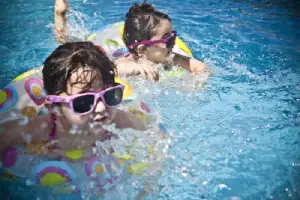
Swimming is one of the best full-body exercises and an essential life skill for people of all ages. Learning the 4 easy swimming strokes for beginners helps you stay safe in the water, build confidence, improve fitness, and enjoy swimming more. Whether you are learning to swim for the first time or helping your child master the basics, understanding the correct swimming strokes is the first step toward becoming a confident swimmer.
Imagine watching your child swim safely in the pool or finally overcoming your own fear of deep water. Knowing the right swimming techniques makes all the difference between simply staying afloat and swimming with comfort and confidence.
In this beginner-friendly guide, you’ll learn the 4 basic swimming strokes, discover their benefits, understand when to use each stroke, explore important safety and survival techniques, and get practical tips to improve your swimming skills faster.
In this guide, we will look at the different types of swimming lessons, the technical side of strokes, and the emotional journey of learning to swim.
What Are Swimming Strokes?
Swimming strokes are different techniques used to move through the water efficiently. Each stroke has its own arm movements, leg kicks, breathing pattern, and purpose. Learning the correct swimming stroke helps beginners swim faster, stay balanced in the water, and use less energy.
The four basic swimming strokes are Freestyle, Backstroke, Breaststroke, and Butterfly. Most beginners start with freestyle because it is the easiest stroke to learn and helps build confidence in the water. As swimming skills improve, learners can gradually practice the other strokes to increase strength, coordination, and endurance.
Understanding these basic swimming strokes is an important part of learning to swim safely. Whether you are taking swimming lessons, practicing at a local pool, or teaching a child the fundamentals, mastering the right technique will make swimming more enjoyable and effective. With regular practice and proper guidance, beginners can develop strong swimming skills that last a lifetime.
Why Learning to Swim Is Important
There is something special about being in the water. For kids, it is the excitement of blowing bubbles for the first time. For adults, it is the calm feeling of gliding through a quiet pool before a busy day starts. Whether you are young or old, the water provides a sense of peace that is hard to find anywhere else.
1.Improves Water Safety and Survival Skills
The water deserves respect. Learning how to swim is about more than just moving your arms and legs; it is about being safe. When you take formal swimming lessons, you learn how to work with the water instead of struggling against it. By mastering specific strokes, you become better at swimming while using less energy.
2.Builds Confidence in the Water
Learning to swim helps children and adults become more confident in and around water. As beginners practice different swimming strokes, they become more comfortable floating, breathing correctly, and moving through the water. This confidence reduces fear, encourages independence, and makes swimming lessons more enjoyable. For children, gaining confidence in the pool can also improve self-esteem and encourage them to participate in other physical activities.
3.Supports Brain Development
Research has shown that swimming can actually make you smarter. The cross-lateral movements (using both sides of your body at once, like in Freestyle) help develop the corpus callosum in the brain. This improves communication between the right and left hemispheres, which can help kids with reading, language development, and spatial awareness.
4.Mental “Blue Therapy” Reduces Stress and Improves Mental Well-Being
Being near or in water has a psychological effect often called “Blue Mind.” The sound of splashing and the rhythmic nature of swimming strokes trigger a flood of neurochemicals that increase blood flow to the brain and reduce stress. It is essentially “meditation in motion.”
5.Improves Fitness and Burns Calories
Because water is roughly 800 times denser than air, every movement you make meets resistance. This means you burn significantly more calories swimming a lap than you do walking the same distance. It’s an incredibly efficient way to stay in shape while keeping your body cool.
4 Basic Strokes In Swimming: The “Big Four”
In almost every swimming program, the goal is to learn the “Big Four.” These are the main styles used in races around the world.
1. Freestyle (The Front Crawl)
Freestyle is the most popular stroke. It is the fastest way to swim, which is why many call it the “king” of the pool.
- The Technique: You lie on your stomach, move your arms over your head one after the other, and use a continuous “flutter kick” with your legs.
- The Hard Part: The most difficult part is breathing. Learning to turn your head to the side to take a breath without stopping is a big win for every beginner.
- Why Learn It? It is the best stroke for fitness and having fun at the beach.
2. Backstroke
If you don’t like having your face in the water, the backstroke is perfect for you.
- The Technique: It is like freestyle but on your back. You move your arms in a circular motion and kick your legs.
- The Challenge: Since you are looking at the sky or the ceiling, the biggest challenge is swimming in a straight line!
3. Breaststroke
This is often the first stroke people learn after the basics because it is steady and slow.
- The Technique: Think of how a frog swims. Your arms move in a heart shape in front of you, and your legs do a “whip kick.”
- The Best Part: This stroke is very social because your head comes out of the water with every breath, so you can see what is happening around you.
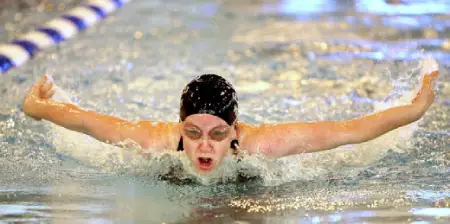
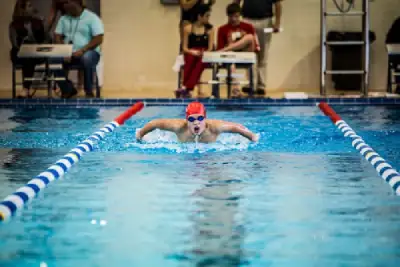
4. Butterfly
The butterfly is powerful and looks amazing, but it can be very tiring. It is powerful, graceful, and let’s be honest incredibly exhausting.
- The Technique: Both arms move together in a big circle over the water, and your legs move together like a dolphin’s tail.
- The Win: Mastering the butterfly is a great achievement. It takes a lot of strength and good timing.
Essential Survival Swimming Strokes Everyone Should Know
While the “Big Four” are for racing, survival strokes are what keep you safe in an emergency. swimming lessons also focus on strokes that can save your life. Not all swimming strokes are designed for speed or competition. Some strokes are specially developed to help swimmers stay safe, conserve energy, and remain calm during emergencies. Learning these essential survival swimming strokes can improve water safety and increase your confidence, especially if you become tired or find yourself in deep water unexpectedly.
Elementary Backstroke
This uses a simple “tickle, crawl, push” motion. It is the best way to move through the water if you are tired and need to save energy.
Sidestroke
The sidestroke is used by lifeguards because it lets you keep one arm free to help someone else. It feels very smooth, like you are gliding through the water.
Common Swimming Mistakes Beginners Should Avoid
Every beginner makes mistakes while learning to swim, and that’s completely normal. Identifying these common errors early can help you improve your swimming strokes more quickly and stay safe in the water.
Holding Your Breath
Many beginners hold their breath underwater, which makes the body tense and causes fatigue. Instead, practice breathing out slowly underwater and inhaling when your face comes above the surface.
Looking Straight Ahead
Looking forward while swimming causes your hips and legs to sink, making it harder to move through the water. Keep your head in a neutral position and look slightly downward to maintain better body alignment.
Kicking Too Hard
Powerful kicks do not always make you swim faster. Small, steady kicks help you move more efficiently while saving energy.
Skipping Regular Practice
Swimming is a skill that improves with consistent practice. Even one or two sessions each week can help beginners build confidence and improve their technique.
Ignoring Water Safety Rules
Never swim alone, always follow pool rules, and listen carefully to your swimming instructor. Good swimming habits and proper supervision are essential for children and beginner swimmers.
What to Expect During Swimming Lessons
When you look for “swimming lessons near me,” most programs have three stages:
| Stage 1: Getting Used to Water | Stage 2: Learning the Moves | Stage 3: Getting Better |
| This is for beginners. You learn to blow bubbles, put your face in the water, and float. | Students start learning the basic kicks and arm pulls sometimes called rocket ship arms. | Here, you focus on how to keep your body flat in the water to move faster and learn how to dive. |
Best Age to Start Swimming Lessons
Many parents wonder when children should begin swimming lessons. While water familiarization can start at an early age with adult supervision, most children are ready for structured beginner swimming lessons between the ages of 4 and 6, depending on their confidence, coordination, and ability to follow instructions.
Older children and adults can also learn to swim successfully. There is no perfect age to start because swimming is a lifelong skill. The most important factors are regular practice, proper instruction, and learning at a comfortable pace. Whether you are a child or an adult beginner, consistent swimming lessons can help you build confidence and improve your technique over time.
Swimming for All Ages
For Kids (Class 1 and 2)
For toddlers and young students, lessons are all about having fun. We use games and songs so they learn without feeling stressed. This helps them build coordination for other sports like soccer.
For Adults
Many adults feel shy about learning to swim, but it is very common. Actually, adults often learn faster because they can understand the instructions better than small children.
Health Benefits of Swimming
Beyond just being a fun hobby, mastering swimming strokes is a gift to your health:
- Easy on the Body: Unlike running, swimming does not hurt your joints. It is perfect if you have an injury.
- Heart Health: It gets your heart beating fast and makes you fit without making you feel sweaty.
- Better Lung Capacity: Swimming teaches you how to control your breathing, which gradually improves lung capacity and endurance. Regular practice helps beginners breathe more efficiently while swimming and can also improve overall cardiovascular fitness.
- Stress Relief: The sound of the water and the rhythm of the strokes help reduce stress and make you feel calm.
- Improves Sleep Quality: Regular swimming helps the body relax and reduces physical and mental stress. Many people find that swimming improves their sleep quality, helping them wake up feeling refreshed and energized for the day.
Quick Tips for Your First Lesson
- Get Good Gear: A comfy swimsuit and good goggles are very important. If you can see clearly under the water, you will feel much more relaxed.
- Be Consistent: Try to go at least once or twice a week so your body remembers what to do.
- Remember to Breathe: Most people struggle because they hold their breath too tightly. Try to stay relaxed.
- Be Patient: You won’t be a pro on day one. Be happy with small wins, like floating for a few seconds.
- Never Swim Alone: Whether you are a beginner or an experienced swimmer, always swim with a friend, instructor, or lifeguard nearby. Having someone close by can make a big difference in an emergency and helps create a safer swimming environment.
Fun Facts About Swimming You Didn’t Know
- A Full-Body Workout: Swimming is one of the few sports that uses almost every major muscle group in your body, including your arms, legs, core, and back.
- The Oldest Stroke: The Breaststroke is believed to be the oldest swimming stroke. In fact, there are ancient cave paintings in Egypt that show people doing a version of the breaststroke!
- Elephant Swimmers: You might be surprised to know that elephants are excellent swimmers. They can stay afloat for long periods and even use their trunks as a natural snorkel to breathe underwater.
- Heart Health: Swimming just three times a week can significantly improve your heart health and lower your blood pressure.
- Weightlessness: When you are submerged up to your neck in water, you only feel about 10% of your body weight. This is why it feels so easy to move around in the pool.
- The Tallest Swimmer: Most professional swimmers are very tall because having long arms and big feet acts like natural “paddles” and “fins” to help them move faster.
- Space Training: NASA astronauts actually practice swimming and underwater movements to prepare for the feeling of weightlessness they will experience in space.
Conclusion:
Learning different swimming strokes is like learning a new skill, it feels a bit strange at first, but soon it becomes easy. Whether you want to swim for exercise, safety, or just for your next holiday, these lessons are a great choice for your life.
The water is waiting! It is cool, inviting, and once you find your rhythm, it is a place where you can feel totally free. So, grab your goggles and make a splash!
Learn More About Swimming visit